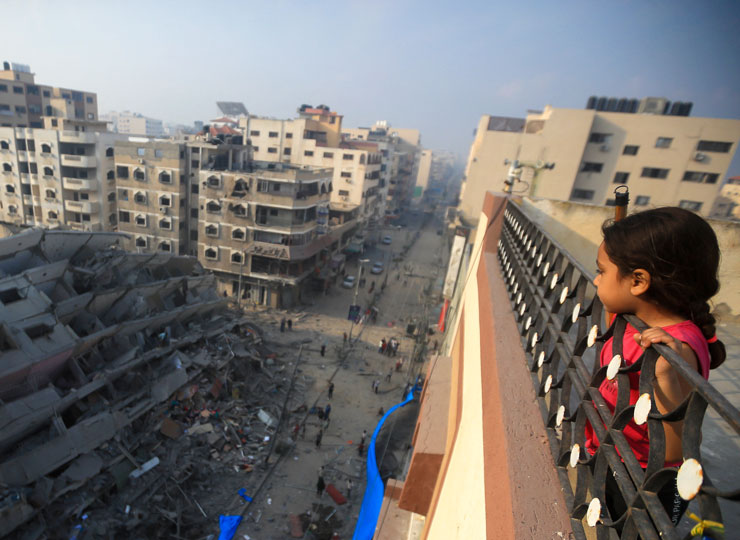
زحلة بوليتيكس – تترك الحرب آثارًا عميقة ودائمة على الصحة النفسية، حيث تؤثر على الناس بطرق متنوعة وواسعة النطاق. تقدم تجربة لبنان الطويلة مع النزاعات، بدءًا من الحرب الأهلية اللبنانية (1975-1990) إلى الحرب الإسرائيلية عام 2006، رؤى قيمة حول تأثيرات الحرب على الصحة النفسية، وتكشف عن أنماط تتشابه مع الاكتشافات الحديثة المتعلقة بالحرب في أوكرانيا.
يستعرض هذا المقال أبرز تداعيات الحرب على الصحة النفسية، مع التركيز على التجارب اللبنانية، وأنماط عامة في مناطق الصراع، وتوصيات عملية للأفراد لتقليل الأعباء النفسية في مثل هذه الظروف.
انتشار اضطراب ما بعد الصدمة واضطرابات القلق
ترتبط التجارب الحربية بشكل وثيق بارتفاع معدل الإصابة باضطراب ما بعد الصدمة واضطرابات القلق، خاصة بين المدنيين والمحاربين القدامى. ففي لبنان، أظهرت دراسة أجريت عام 2006 أن 17% من السكان يعانون من أعراض اضطراب ما بعد الصدمة بعد عقود من انتهاء الحرب الأهلية اللبنانية.
وتقدر منظمة الصحة العالمية أن حوالي 10% من الأشخاص الذين تعرضوا لأحداث صادمة في مناطق النزاع يعانون من اضطرابات نفسية شديدة، فيما يعاني 10% آخرون من صعوبات سلوكية تعيق أداءهم اليومي (University of Utah Health, 2022). في لبنان، أدت الصدمات إلى حالات مزمنة من الاضطرابات النفسية، تفاقمت بفعل عدم الاستقرار الاقتصادي وقلة الوصول إلى خدمات الصحة النفسية.
الاكتئاب والنزعات الانتحارية
يعد الاكتئاب نتيجة شائعة للحرب، ويرتبط بتراكم الضغط الناتج عن الخسائر، والتشرد، والصعوبات الاجتماعية والاقتصادية. تشير الدراسات إلى أن الأفراد المتأثرين بالنزاع في لبنان يعانون من معدلات أعلى من الأعراض الاكتئابية، ويزيد تكرار العنف من انتشار التفكير الانتحاري. ويضيف الضغط المالي الناجم عن الاضطرابات الاقتصادية إلى التوتر النفسي (University of Utah Health, 2022).
التأثيرات النفسية على الأطفال والمراهقين
يعد الأطفال والمراهقون فئات شديدة التأثر في حالات النزاع، حيث تؤدي الاضطرابات في التعليم والدعم الاجتماعي وهيكل الأسرة إلى إعاقة تطورهم. يظهر الأطفال اللبنانيون الذين تعرضوا للعنف وانعدام الأمن مستويات مرتفعة من القلق والسلوكيات العدوانية والانسحاب العاطفي. ويمكن لهذه التجارب الصادمة أن تؤثر على القدرات الإدراكية والمهارات الشخصية، مما يؤثر على النتائج التعليمية والتنموية على المدى الطويل (WHO, 2022). ونظرًا لقدرات الأطفال المحدودة على معالجة الصدمات، يكونون أكثر عرضة للآثار النفسية السلبية.
الصدمة العابرة للأجيال
يمكن أن تمتد التأثيرات النفسية للحرب إلى ما بعد الأفراد المتأثرين مباشرة، حيث تظهر كصدمة عابرة للأجيال. في لبنان، يظهر الآباء الذين عاشوا الحرب الأهلية مستويات مرتفعة من القلق والتوتر، حتى وإن لم يتعرضوا للعنف بشكل مباشر. وتحدث هذه الظاهرة مع انتقال استجابات التوتر وأنماط السلوك إلى الأطفال، مما يشكل صحتهم النفسية. وتلاحظ هذه الظاهرة كذلك في مناطق صراع أخرى، مما يشير إلى أن التأثير النفسي للنزاع يمتد عبر الأجيال.
العقبات أمام خدمات الصحة النفسية
تتفاقم آثار الحرب على الصحة النفسية بسبب الحواجز الكبيرة في الوصول إلى الرعاية الصحية، خاصة في المناطق المتضررة من النزاع وما بعد النزاع. على الرغم من تحسن البنية التحتية للصحة النفسية في لبنان، إلا أنها تظل غير كافية لتلبية احتياجات السكان. ويحول الوصم الثقافي المرتبط بالصحة النفسية، إلى جانب القيود الجغرافية والاقتصادية، دون طلب الكثير من اللبنانيين للمساعدة. وتفيد منظمة الصحة العالمية أن 90% من الناس في المناطق ذات الدخل المنخفض والمتأثرة بالنزاعات يفتقرون إلى الرعاية الصحية النفسية الكافية (University of Utah Health, 2022).
توصيات للأفراد: خطوات لتقليل الأعباء النفسية
للتعامل مع آثار الحرب على الصحة النفسية، يمكن للأفراد اتخاذ خطوات لدعم رفاههم ورفاه الآخرين من حولهم. تقدم التوصيات التالية المستوحاة من منظمة الصحة العالمية طرقًا عملية يمكن للأفراد من خلالها المساعدة في تخفيف العبء النفسي في ظروف النزاع:
البحث عن الدعم من الشبكات الاجتماعية: يمكن أن يقلل الانخراط في الشبكات الاجتماعية الداعمة – مثل العائلة والأصدقاء أو مجموعات المجتمع – من مشاعر العزلة ويعزز القدرة على التحمل. يمكن أن يوفر الانضمام إلى مجموعة دعم أو التحدث بانتظام مع أفراد موثوق بهم راحة عاطفية وتخفيفاً للضغوط (WHO, 2022).
اتباع استراتيجيات مواجهة تستند إلى الصدمات: يمكن للاستراتيجيات البسيطة مثل تمارين التنفس العميق، والتأمل، وتدوين اليوميات أن تساعد في إدارة أعراض الصدمة. تعمل هذه الأنشطة على تخفيف التوتر وتحسين التركيز وتقديم راحة عقلية، مما يساعد الأفراد على تطوير ردود فعل صحية تجاه الضغوط المستمرة (University of Utah Health, 2022).
التشجيع على التعرف على الصحة النفسية والتطبيع لطلب المساعدة: يمكن للتعلم حول حالات الصحة النفسية والحديث بصراحة عن الحاجة إلى الدعم أن يقلل من الوصمة ويشجع الآخرين على طلب المساعدة. توصي منظمة الصحة العالمية ببرامج توعية مجتمعية تعلم الناس كيفية التعرف على علامات الضيق وتفهم الصحة النفسية كقضية طبية وليست ضعفًا شخصيًا (WHO, 2022).
الانخراط في النشاط البدني: يمكن للنشاط البدني المنتظم، حتى لو كان مجرد المشي أو التمدد البسيط، أن يخفف التوتر ويحسن المزاج. لقد ثبت أن التمارين البدنية تطلق الإندورفين، مما يمكن أن يكون له تأثير قوي في تحسين الحالة المزاجية، وهو أمر مفيد بشكل خاص عندما تكون إمكانية الوصول الآمن إلى الأماكن الخارجية أو مرافق التمارين محدودة.
تركيز الاهتمام على بناء المرونة لدى الأطفال: يمكن للآباء ومقدمي الرعاية مساعدة الأطفال على التأقلم من خلال إنشاء روتين يومي ثابت، وتهيئة مساحات آمنة للعب، وتشجيع التواصل المفتوح. وتؤكد منظمة الصحة العالمية على أهمية “المساحات الصديقة للأطفال” حيث يمكن للأطفال المشاركة في أنشطة منظمة تعزز التنمية الاجتماعية والمعرفية والعاطفية (WHO, 2022).
تقليل التعرض للوسائط المزعجة: بالنسبة لأولئك الذين لا يتأثرون مباشرة ولكن يتابعون الأخبار، يمكن أن يساعد تقليل الوقت الذي يقضونه في مشاهدة الصور أو مقاطع الفيديو المزعجة وإيجاد طرق إيجابية للتعبير عن ردود فعلهم العاطفية – مثل المشاركة في الأنشطة التطوعية – في التخفيف من آثار “الصدمة غير المباشرة”.
التعامل باللطف مع الذات واللجوء إلى الدعم عند الحاجة: يمكن أن يكون للاعتراف بالحاجة إلى الدعم ومعاملة الذات بلطف تأثير كبير في مواجهة الصدمة. توصي منظمة الصحة العالمية بطلب المساعدة عند الضرورة وتؤكد أن قبول المساعدة يعد خطوة حاسمة في إدارة الصدمة والتعافي منها (WHO, 2022).
وفي الخلاصة، تعد آثار الحرب على الصحة النفسية عميقة وطويلة الأمد، حيث تؤثر ليس فقط على الأفراد المعنيين بشكل مباشر بل تمتد أيضاً للأجيال القادمة والمراقبين البعيدين. توفر تجربة لبنان المتكررة مع النزاعات رؤى قيمة حول الندوب النفسية التي تخلفها الحروب على الأفراد والمجتمعات، مما يتماشى مع الاكتشافات العالمية من النزاعات الحديثة كالنزاع في أوكرانيا. يتطلب التعامل مع هذه التأثيرات دعمًا مجتمعيًا ومرونة فردية. ومن خلال تبني استراتيجيات التكيف، وتشجيع الحوارات المفتوحة، وبناء شبكات الدعم، يمكن للأفراد المساعدة في تخفيف عبء الصدمة والمساهمة في مسار جماعي نحو الشفاء.
ريبيكا الهندي – Master of Public Health in Epidemiology & Biostatistics (AUB)
فجر البيطار – Fajer Al Bitar – Master of Public in Health Management ane Policy
:المراجع
University of Utah Health. (2022). الآثار النفسية للحرب: مدعومة بالعلم. تم الاسترجاع من موقع جامعة يوتا للصحة
World Health Organization. (2022). الصحة النفسية في حالات الطوارئ. تم الاسترجاع من موقع منظمة الصحة العالمية
النسخة الإنكليزية للمقال:
War leaves deep and lasting marks on mental health, affecting people in diverse and far-reaching ways. Lebanon’s prolonged experience with conflict, from the Lebanese Civil War (1975-1990) to the 2006 conflict with Israel, provides valuable insights into the mental health impacts of war, revealing patterns that resonate with recent findings from the war in Ukraine. This article explores key mental health consequences of war, focusing on Lebanese experiences, universal patterns in conflict zones, and practical recommendations for individuals on reducing the mental health burden in these settings.
Prevalence of PTSD and Anxiety Disorders
War exposure is closely associated with a higher prevalence of post-traumatic stress disorder (PTSD) and anxiety disorders, particularly among civilians and veterans. In Lebanon, a 2006 study found that 17% of the population displayed symptoms of PTSD decades after the Lebanese Civil War ended. The WHO estimates that around 10% of people exposed to traumatic events in conflict zones develop severe mental health disorders, while another 10% experience behavioral difficulties that impede daily functioning (University of Utah Health, 2022). For those in Lebanon, trauma has led to chronic mental health conditions, exacerbated by economic instability and limited access to mental health services.
Depression and Suicidal Tendencies
Depression is a common outcome of war, linked to the cumulative distress from loss, displacement, and socioeconomic hardships. Studies show that individuals in Lebanon affected by war experience higher rates of depressive symptoms, with recurrent violence increasing the prevalence of suicidal ideation. As economic disruptions from conflict add financial stress, psychological distress is compounded (University of Utah Health, 2022).
Psychological Effects on Children and Adolescents
Children and adolescents are particularly vulnerable in conflict situations, as disruptions to education, social support, and family structures hinder development. Lebanese children exposed to violence and insecurity exhibit elevated anxiety, aggressive behaviors, and emotional withdrawal. These traumatic experiences can impact cognitive abilities and interpersonal skills, affecting long-term developmental and educational outcomes (WHO, 2022). Children’s limited ability to process trauma makes them especially susceptible to adverse mental health outcomes.
Intergenerational Trauma
War’s psychological effects can extend beyond those directly affected, manifesting as intergenerational trauma. In Lebanon, children of parents who lived through the civil war often exhibit heightened anxiety and stress, even if they were not directly exposed to violence. This phenomenon occurs as stress responses and behavioral patterns are transmitted to children, shaping their mental health. Intergenerational trauma is similarly observed in other conflict zones, suggesting that conflict’s psychological impact often spans generations.
Barriers to Mental Health Services
The mental health impacts of war are compounded by significant barriers to accessing care, particularly in conflict and post-conflict regions. Lebanon’s mental health infrastructure, though improving, remains under-resourced and unable to meet the population’s needs. Cultural stigma around mental health, combined with geographic and economic constraints, prevents many Lebanese from seeking help. WHO reports that 90% of people in low-income conflict settings lack adequate mental health care (University of Utah Health, 2022).
Recommendations for Individuals: Steps to Reduce the Mental Health Burden
To address the mental health impacts of war, individuals can take steps to support their own well-being and that of those around them. The following WHO-informed recommendations offer practical ways for people to help alleviate the mental health burden in conflict situations:
Seek Support from Community Networks: Engaging with community support networks—such as family, friends, or community groups—can reduce feelings of isolation and foster resilience. Being active in a support group or talking regularly with trusted individuals can provide comfort and emotional relief (WHO, 2022).
Practice Trauma-Informed Coping Strategies: Simple strategies like deep breathing exercises, mindfulness, and journaling can help manage trauma symptoms. These activities reduce stress, improve focus, and offer mental relief, helping individuals develop healthier responses to ongoing stress (University of Utah Health, 2022).
Promote Mental Health Literacy and Normalize Help-Seeking: Learning about mental health conditions and talking openly about the need for support can reduce stigma and encourage others to seek help. WHO recommends community awareness programs that educate people on recognizing signs of distress and understanding mental health as a medical issue rather than a personal failing (WHO, 2022).
Engage in Physical Activity: Regular physical activity, even walking or basic stretching, can alleviate stress and improve mood. Physical exercise is shown to release endorphins, which can have a powerful, mood-lifting effect. This is particularly beneficial when safe access to outdoor spaces or exercise facilities is limited.
Focus on Building Resilience in Children: Parents and caregivers can help children cope by establishing a stable daily routine, creating safe spaces for play, and encouraging open communication. WHO also emphasizes the value of “child-friendly spaces” where children can engage in structured activities that promote social, cognitive, and emotional development (WHO, 2022).
Limit Exposure to Distressing Media: For those not directly affected but following the news, limiting time spent viewing distressing images or videos and finding positive outlets for emotional responses—such as advocacy or volunteering—can help mitigate “secondhand trauma” effects.
Practice Self-Compassion and Reach Out When Needed: Recognizing the need for support and treating oneself with compassion can make a significant difference in coping with trauma. WHO advocates for seeking help when needed and emphasizes that accepting assistance is a critical step in managing and recovering from trauma (WHO, 2022).
Conclusion
The mental health effects of war are profound and long-lasting, affecting not only those directly involved but also future generations and even distant observers. Lebanon’s experience with recurrent conflict provides valuable insights into the psychological scars that wars can leave on individuals and communities, echoing global findings from recent conflicts like that in Ukraine. Addressing these impacts requires both community support and individual resilience. By adopting coping strategies, encouraging open conversations, and building support networks, individuals can help reduce the burden of trauma and foster a collective path to healing.
Rebecca Al Hindy- Master of Public Health in Epidemiology & Biostatistics (AUB)
Fajer Al Bitar – Master of Public in Health Management ane Policy (AUB)